
Obscure Holidays in Japan: Unearthing Hidden Traditions
Japan is renowned worldwide for its captivating blend of ancient traditions and futuristic innovation. While many travelers flock to witness the iconic cherry blossoms, the vibrant energy of Tokyo, or the serene temples of Kyoto, a deeper dive into the archipelago reveals a mesmerizing tapestry of “Obscure Holidays in Japan.” These lesser-known celebrations, often tucked away in remote villages or specific urban neighborhoods, offer an unparalleled glimpse into the heart and soul of Japanese culture, telling stories of local legends, agricultural rhythms, and profound spiritual beliefs that have endured for centuries. Far from the bustling tourist circuits, these micro-festivals provide an authentic, often deeply moving, experience that connects visitors with the true spirit of Japan.
Key Takeaways
- Diverse Cultural Tapestry: Japan’s obscure holidays reveal a rich, diverse cultural landscape beyond mainstream attractions, rooted in local folklore, agriculture, and spiritual practices.
- Regional Identity & Preservation: These micro-festivals are crucial for preserving regional identities, traditions, and the unique cultural expressions of local communities across Japan.
- Unique Experiences: From crying baby sumo to phallic fertility rites and purification by fire, obscure holidays offer truly one-of-a-kind experiences that showcase Japan’s fascinating blend of the sacred and the whimsical.
- Authentic Engagement: Participating in or observing these events allows for a deeper, more respectful engagement with Japanese culture, supporting local economies and fostering cultural exchange.
- Traveler’s Reward: For the adventurous and culturally curious traveler in 2025, seeking out these hidden gems promises memorable, enriching journeys that reveal the true magic of Japan.
Japan’s Hidden Festival Culture Beyond Cherry Blossoms
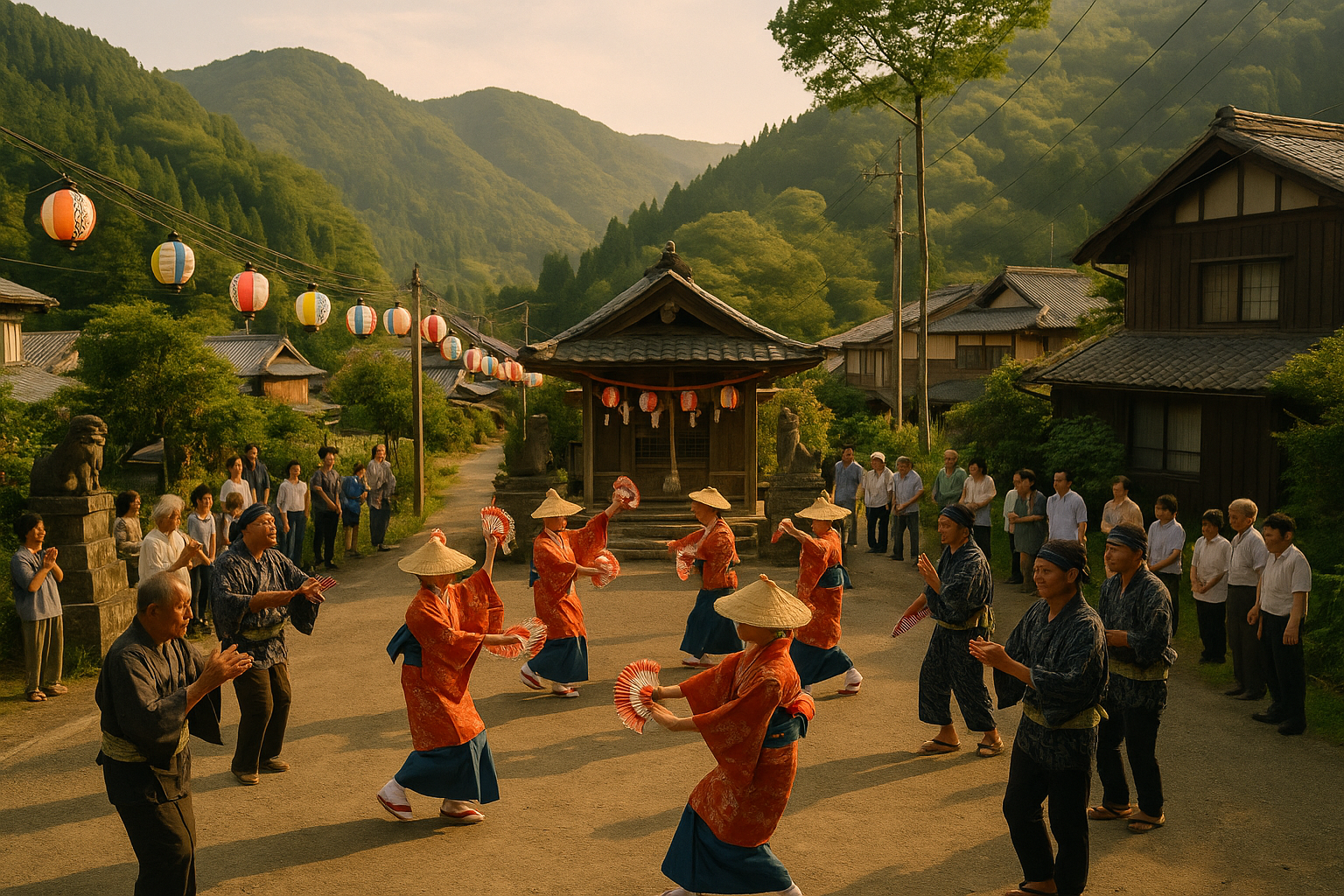
While the iconic cherry blossoms (sakura) paint Japan in delicate hues each spring, and major festivals like Gion Matsuri in Kyoto or Nebuta Matsuri in Aomori draw massive crowds, there exists a vibrant, largely unseen world of local celebrations. These “Obscure Holidays in Japan” are the pulse of countless communities, reflecting centuries of local history, spiritual beliefs, and the rhythms of daily life. They are not merely events but living traditions, passed down through generations, often retaining practices that have vanished in more urbanized settings.
Imagine a small village where the entire community gathers to throw beans at masked “demons” in a unique variation of Setsubun, or a coastal town where locals dedicate a festival to mythical river spirits. These aren’t just quaint customs; they are integral to the social fabric, serving as communal rites of passage, prayers for good harvests, protection from calamity, or simply moments of shared joy and catharsis. For the discerning traveler in 2025 seeking genuine cultural immersion, moving beyond the well-trodden path to discover these hidden festivities is an immensely rewarding endeavor.
Why Rare and Regional Traditions Still Thrive Today
The enduring vitality of rare and regional traditions in Japan is a testament to several factors. Firstly, Japan’s geographic diversity, with its numerous islands, isolated valleys, and distinct microclimates, fostered unique cultural development in different regions. Each area developed its own pantheon of local deities (kami), folklore, and agricultural practices, leading to distinct ceremonial expressions.
Secondly, a strong sense of community (kyōdōtai) and a deep respect for heritage underpin Japanese society. Many festivals are not just celebrations but acts of reverence for ancestors, local gods, or specific natural elements. Local populations, often comprising long-standing families, feel a profound responsibility to maintain these traditions, viewing them as intrinsic to their identity.
Thirdly, the Shinto belief system, with its emphasis on nature worship and the presence of kami in all things, provides a spiritual framework for many of these events. Shrines, both grand and tiny, serve as focal points for communal worship and the staging of festivals, ensuring their continuation. Even as modern life progresses, these traditions offer a tangible link to the past, providing a sense of stability and belonging.
The Meaning of “Obscure Holidays” in Japan
When we speak of “Obscure Holidays in Japan,” we are referring to a vast array of local festivals (matsuri), annual rites (gyōji), and seasonal celebrations that are largely unknown outside their immediate region, and often even within Japan itself. Unlike national holidays that are observed nationwide, these are hyper-local, specific to a particular shrine, temple, town, or even a single hamlet.
Local Festivities Unknown to Most Tourists
Most international tourists, and even many Japanese city dwellers, will likely never encounter these events unless they specifically seek them out. This obscurity is part of their charm. It means they remain authentic, uncommercialized, and deeply personal to the communities that host them. There are no English guidebooks dedicated to them, no massive tour buses, and often, little to no infrastructure catering to outsiders. This rawness is what makes them so special.
Celebrations Rooted in Folklore, Nature, and Community
The essence of these obscure holidays lies in their profound connections:
- Folklore: Many festivals reenact ancient myths, honor legendary figures, or appease specific local spirits (yōkai). These stories are woven into the fabric of the community’s identity.
- Nature: Given Japan’s agricultural past and mountainous terrain, numerous celebrations revolve around the seasons, harvests, fishing, or natural phenomena like fire, water, and mountains. They are a way of harmonizing with the natural world.
- Community: Above all, these are community events. They require collective effort, participation from all age groups, and foster a strong sense of unity and shared purpose. From preparing food to carrying portable shrines (mikoshi), everyone plays a role.
Japan’s Regional Identity Through Micro-Festivals
Japan’s regional identity is incredibly diverse, a stark contrast to the sometimes monolithic image presented to the outside world. Each prefecture, and often each town within a prefecture, boasts its own unique dialect, culinary specialties, and, crucially, its own set of festivals. These micro-festivals are not mere diversions; they are vibrant expressions of local pride and distinct cultural heritage. They act as anchors, rooting communities to their land, their history, and their shared values.
How Towns Preserve Unique Cultural Expressions
The preservation of unique cultural expressions through these festivals is a labor of love and dedication. Local preservation societies, shrine committees (ujiko), and groups of elders often lead the charge, ensuring that the intricate details of costumes, music, dances, and rituals are accurately passed on to younger generations. Children are often actively involved from a young age, learning by observation and participation. This intergenerational transfer of knowledge is vital.
Furthermore, these festivals often receive support from local governments or tourism boards, who recognize their value as cultural assets and potential draws for sustainable tourism. However, the primary driving force remains the community itself, motivated by a deep-seated desire to honor their ancestors and uphold traditions that define them.
The Influence of Shrines, Agriculture, and Seasons
The influence of Shinto shrines, agricultural cycles, and the changing seasons is paramount in shaping these obscure holidays.
- Shrines: Shinto shrines are the spiritual and often physical heart of many communities. Festivals are typically centered around a shrine’s patron deity (kami), offering prayers, performances (kagura), and processions to honor them. The shrine priests (kannushi) play a crucial role in overseeing the rituals.
- Agriculture: Historically, Japan was an agrarian society. Many festivals, particularly in rural areas, are deeply tied to the agricultural calendar: prayers for a bountiful harvest, rituals to protect crops from pests or natural disasters, and thanksgiving ceremonies after the harvest. These celebrations often involve rice planting dances, harvest offerings, and blessings for fertile land.
- Seasons: The distinct four seasons of Japan dramatically influence the timing and nature of festivals. Spring festivals often celebrate renewal and new life, summer festivals aim to ward off epidemics and evil spirits during the hot months, autumn festivals are about thanksgiving and harvest, and winter festivals focus on purification, warding off misfortune, and praying for health and prosperity in the coming year. This cyclical relationship with nature is deeply ingrained in Japanese festival culture.
Setsubun Bean-Throwing Variations
Setsubun, meaning “seasonal division,” is a popular event celebrated on February 3rd or 4th each year, marking the day before the beginning of spring according to the old lunar calendar. The most common ritual involves throwing roasted soybeans (fuku mame) out the door or at a family member dressed as an oni (demon), while shouting “Oni wa soto! Fuku wa uchi!” (Demons out! Fortune in!). While this basic custom is widespread, many regions have their own unique and “obscure holidays in Japan” variations that add fascinating twists.
Local Legends That Change the Rules of Demon-Chasing
In some areas, local legends dictate entirely different practices. For example:
- A variation in Gifu Prefecture: Instead of driving out oni, some communities believe certain oni are benevolent and invite them in! This might involve shouting “Oni wa uchi!” (Demons in!) or offering special foods to appease them, reflecting a localized belief system where the definition of “demon” can be nuanced or even friendly.
- Different “Demon” Targets: In parts of Shikoku, instead of oni, participants might chase away specific spirits tied to local myths, sometimes using different words or tools than soybeans. These variations are often rooted in very specific, centuries-old tales unique to that valley or village.
Masks, Costumes, and Festival-Specific Chants
The diversity extends to the visual and auditory elements of Setsubun.
- Unique Masks and Costumes: While red or blue oni masks are common, some regions boast elaborate, unique masks or full costumes representing specific local demons or protective spirits. These might be crafted from wood, straw, or intricately painted paper, passed down through generations.
- Special Chants: The standard “Oni wa soto! Fuku wa uchi!” chant is often replaced or augmented by festival-specific phrases or songs, sometimes in local dialects, that invoke particular deities or recount local legends. These chants are not just words but rhythmic incantations believed to possess spiritual power.
- Ritual Tools Beyond Soybeans: In rare instances, communities might use different items for purification or protection, such as specific kinds of grains, salt, or even small branches from sacred trees, believing these have stronger efficacy against local forms of misfortune.
Nakizumo — The Crying Baby Sumo Festival
Among the most heartwarming and peculiar of the “Obscure Holidays in Japan” is Nakizumo, or “Crying Baby Sumo,” a festival held annually at various temples and shrines across Japan, notably at Sensoji Temple in Tokyo or Gokoku Shrine in Miyazaki. This unusual event involves sumo wrestlers holding babies, with the goal of making them cry, often facilitated by a referee wearing a fearsome oni mask.
Why Making Babies Cry Is Seen as Good Luck
The tradition of Nakizumo dates back centuries, rooted in the belief that a baby’s loud cries have the power to ward off evil spirits and promote healthy growth. In Japanese folklore, a robust cry is seen as a sign of vitality and a way for the gods to hear the child and bestow blessings upon them. The louder and more vigorously the baby cries, the more good fortune and health is believed to be bestowed upon them. It’s a joyful, if chaotic, celebration of life and innocence.
Temple Blessings and Protective Rituals
While the spectacle of sumo wrestlers trying to elicit tears is amusing, the underlying purpose is deeply spiritual. The festival typically begins with prayers and blessings from Shinto priests or Buddhist monks, who invoke good health and protection for the children. The sumo wrestlers, often seen as symbols of strength and purity, are believed to transfer these qualities to the babies they hold. Parents eagerly bring their infants, trusting in the ancient customs to safeguard their children’s future. It’s a wonderful example of how joy, tradition, and spiritual belief intertwine in Japan’s unique cultural tapestry.
Fukuro Matsuri — The Festival of the Owl in Ikebukuro
In the bustling urban landscape of Tokyo, even modern districts celebrate their own unique “Obscure Holidays in Japan.” Fukuro Matsuri, the Festival of the Owl, is a prime example, taking place annually in Ikebukuro, Toshima Ward, typically in September and October. While not as ancient as some rural festivals, it beautifully blends contemporary city pride with deep symbolic roots.
A Modern Celebration with Deep Symbolic Roots
Ikebukuro, literally meaning “pond bag,” is said to have once resembled a bag or pouch, and local legend links this to the image of an owl (fukuro), which can be written with characters meaning “wealth bag” (袋) or “fortune” (福). Hence, the owl became the district’s symbol, embodying prosperity and protection. The festival, though relatively modern (starting in 1968), has quickly become a beloved annual tradition, transforming the usually busy streets into a lively celebration of community spirit and local identity.
Mascots, Parades, and City Pride
Fukuro Matsuri is a vibrant affair, featuring:
- Fukuro Mikoshi: Portable shrines (mikoshi) adorned with owl motifs are paraded through the streets, accompanied by energetic chants and traditional music.
- Owl Mascots: Numerous adorable owl mascots, including the official “Ikefukuro” statue, are prominent, delighting children and adults alike.
- Traditional Performances: Expect to see kagura (sacred Shinto music and dance), taiko drumming, and other traditional Japanese performing arts, often integrated with contemporary dance and musical acts.
- Local Food Stalls: Like any good Japanese festival, Fukuro Matsuri is a feast for the senses, with countless yatai (food stalls) offering local delicacies and classic festival fare.
The festival serves as a powerful expression of city pride, bringing residents together and welcoming visitors to experience Ikebukuro’s unique charm beyond its reputation as a major commercial hub.
Kanamara Matsuri — The Iron Phallus Festival
Perhaps one of the most globally renowned yet still “Obscure Holidays in Japan” is the Kanamara Matsuri, or “Festival of the Iron Phallus,” held annually on the first Sunday of April at Kanayama Shrine in Kawasaki. This festival is famously bold, vibrant, and utterly unique, attracting both locals and curious visitors from around the world.
Fertility Traditions and Their Futuristic Twist
The roots of Kanamara Matsuri trace back to ancient times, when prostitutes would visit Kanayama Shrine to pray for protection from sexually transmitted diseases. Blacksmiths also revered the shrine, as it enshrines Kanayama-hiko and Kanayama-hime, deities of the forge and metalworking, who are also associated with fertility and childbirth. Over centuries, these traditions evolved, and the festival became a celebration of fertility, healthy relationships, and business prosperity.
What makes it distinctive is the explicit display of phallic symbols. Giant, brightly colored phalluses are paraded through the streets on portable shrines (mikoshi), including the famous “Elizabeth” mikoshi, donated by a drag queen bar in Tokyo. Despite the seemingly outlandish nature, the festival is observed with genuine reverence and joy.
How This Bold Celebration Supports Community Health
Beyond the spectacle, Kanamara Matsuri serves a significant philanthropic purpose. Proceeds from the festival, including merchandise like phallus-shaped candies and souvenirs, are donated to HIV/AIDS research. This blend of ancient fertility rites with modern health advocacy makes the festival a powerful and progressive event. It openly addresses themes that are often taboo, fostering a sense of community support and contributing to global health initiatives, all while celebrating life in its most fundamental forms.
Naki Sakebi — The Shout-Your-Soul-Out Festival
In the serene, spiritual settings of certain Japanese shrines, one might encounter an unexpected and cathartic “Obscure Holiday in Japan”: Naki Sakebi, or the “Shout-Your-Soul-Out Festival.” While not a single, universally recognized event, variations of this practice exist in different regions, particularly in smaller communities that value spiritual release and emotional expression. It’s a fascinating counterpoint to the stereotype of Japanese reserve.
Cathartic Scream Therapy in a Shrine Setting
Imagine standing before a shrine, surrounded by fellow participants, and being encouraged—even guided—to unleash your deepest emotions through a primal scream. Naki Sakebi is precisely this. It’s a form of collective catharsis where individuals are given a sanctioned space to vocalize their frustrations, anxieties, stresses, or even joys, often with the belief that these sounds purify the spirit and draw the attention of the kami (deities).
Participants might shout personal woes, express wishes for the future, or simply release pent-up energy. The act is not meant to be aggressive but liberating, a vocal expulsion of burdens within a sacred context.
Reflecting Japan’s Balance Between Restraint and Release
Naki Sakebi festivals offer a profound insight into the nuanced aspects of Japanese culture. While often associated with concepts like gaman (perseverance) and a certain societal restraint, Japanese culture also recognizes the vital importance of emotional release and purification. These festivals provide a ritualized outlet, demonstrating that even in a society that values harmony and composure, there are traditional avenues for individuals to express their inner turmoil and find spiritual solace. It’s a powerful reminder of the depth and complexity beneath the surface of everyday life in Japan.
Kappa Matsuri — Honoring River Spirits
Throughout Japan, rivers and waterways are deeply intertwined with local folklore, giving rise to unique “Obscure Holidays in Japan” such as Kappa Matsuri, or the “River Imp Festival.” While variations exist, these festivals generally honor the kappa, mythical aquatic creatures said to inhabit Japan’s rivers and lakes. These impish beings are both feared and revered, known for both mischievous pranks and, occasionally, benevolent acts.
Folklore Creatures at the Heart of Local Festivals
The kappa are iconic figures in Japanese folklore, typically depicted as green, scaly humanoids with webbed hands and feet, and a saucer-like depression on their heads (the sara) that holds water, which is their source of strength. Kappa Matsuri are particularly prevalent in areas with a strong connection to rivers and water, such as certain parts of Miyazaki, Kagoshima, and Fukushima prefectures. These festivals are a way for communities to pay respect to these mythical beings, ensuring their favor and preventing them from causing harm, especially to children who might play near the water.
Costumes, Water Competitions, and Myth Preservation
Kappa Matsuri celebrations often feature:
- Kappa Costumes: Participants, especially children, dress up as kappa, sporting green body paint, makeshift shells, and sometimes even the distinctive sara on their heads.
- Water-Related Activities: Given the kappa‘s aquatic nature, many festivals include water competitions, boat races, or ceremonial offerings made to the river.
- Cucumber Offerings: Cucumbers are famously a kappa‘s favorite food, so offerings of cucumbers (often with the names of family members written on them) are frequently floated downrivers as gifts to the kappa.
- Storytelling and Performances: Local historians and storytellers often share kappa legends, and sometimes traditional dances or theatrical performances reenact famous tales involving the river imps.
These festivals play a crucial role in preserving local myths and traditions, passing down the rich tapestry of Japanese folklore to new generations, all while fostering a sense of community fun and respect for nature’s powerful elements.
Oniyo Fire Festival — Purifying Flames in Fukuoka
Among the most breathtaking and ancient “Obscure Holidays in Japan” is the Oniyo Fire Festival, held annually on January 7th at Daizenji Tamataregu Shrine in Kurume City, Fukuoka Prefecture. This spectacular night festival is one of Japan’s three major fire festivals and has a history stretching back over 1,600 years. It’s a powerful and dramatic experience designed to purify and ward off evil spirits for the coming year.
Ancient Rituals to Drive Away Evil Spirits
The Oniyo Fire Festival is steeped in Shinto ritual and symbolism. It is believed to cleanse the local community of misfortune and evil, ensuring a year of good health, bountiful harvests, and protection from calamities. The primary ritual involves igniting enormous torch bundles, known as taimatsu, which are filled with sacred cedar leaves. These torches are not just for light; their flames are seen as sacred fire, purifying the air and driving away malevolent forces.
Massive Torches and Nighttime Processions
The highlight of the Oniyo Fire Festival is the procession of six massive taimatsu, each weighing around 1,200 kg and measuring up to 13 meters long. These colossal torches are carried by teams of men, often dressed in minimal traditional attire (fundoshi), through the shrine grounds. The sheer scale of the flames, especially against the backdrop of the night sky, is awe-inspiring.
- Preparation: Weeks of meticulous preparation go into crafting the taimatsu, which are made from cedar logs and bound with rope.
- Ignition: The torches are lit from a sacred fire that has been continuously burning at the shrine for centuries, known as “goshinka.”
- Procession: As the torches are paraded, sparks fly high into the air, and the roar of the crowd mingles with the crackle of the flames. It’s an incredibly energetic and communal event, with participants believing that being showered by the sparks brings good luck.
Oniyo is not just a visual spectacle; it’s a profound spiritual experience that connects attendees to a deep wellspring of Japanese tradition and belief in the purifying power of fire.
Namahage Sedo Festival — The Visit of Mountain Demons
One of the most intimidating yet fascinating “Obscure Holidays in Japan” is the Namahage Sedo Festival, held annually on the second weekend of February in Oga City, Akita Prefecture. This unique event combines ancient Shinto rituals with the folklore of the Namahage, terrifying masked figures who descend from the mountains to visit homes.
The Real Story Behind the Fierce Masked Figures
The Namahage are demonic-looking beings (often two per household) with fierce oni-like masks, straw capes (mino), and wooden knives. They visit homes, particularly those with small children or new brides, to admonish laziness, instill discipline, and chase away evil spirits. Their booming voices demand to know if the children have been obedient and if the wives are working diligently. While their appearance is frightening, their intention is benevolent: to ensure the household’s prosperity and the family’s well-being for the coming year. Parents often prepare a small offering of food and sake to appease them.
The Namahage tradition is so culturally significant that it was inscribed on UNESCO’s Intangible Cultural Heritage list in 2018.
A Combination of Folklore and New Year’s Discipline
The Namahage Sedo Festival takes this ancient home-visiting ritual and expands it into a grand spectacle at Shinzan Shrine. The festival begins with a sacred fire (goshinka) and features a powerful Namahage Daiko (Namahage drum performance). The climax involves the Namahage descending from the snowy mountains, heralded by torchbearers, to perform ritual dances and bless the community.
- Sedo Fire Ritual: A large sacred fire is lit, around which the Namahage dance.
- Gomai Rice Cakes: Special rice cakes (gomai) are offered to the Namahage, symbolizing gratitude and ensuring good fortune.
- Community Engagement: The festival brings together the entire community, reaffirming their shared traditions and values, especially the importance of hard work and good behavior.
For anyone seeking a truly unique and immersive experience into Japanese folklore and winter traditions, the Namahage Sedo Festival offers an unforgettable journey into the heart of Akita’s cultural heritage.
Warai Matsuri — The Festival of Laughter
Among the most joyful and uplifting of the “Obscure Holidays in Japan” is the Warai Matsuri, or “Festival of Laughter,” held annually in Hidakagawa Town, Wakayama Prefecture, typically on the second Sunday of October. This unique festival centers around the belief that laughter possesses a powerful spiritual energy capable of attracting good fortune and appeasing the gods.
How Laughing Keeps the Gods Happy
The Warai Matsuri traces its origins to a local legend involving a powerful Shinto deity, Nishiki-Omi-no-Kami, who supposedly overslept and arrived late to a gathering of gods. To guide him back to the main shrine and make him feel welcome, the villagers began to laugh boisterously, believing that laughter would cheer the deity and ensure his blessings upon their community. The tradition stuck, evolving into a festival where communal laughter is seen as a direct form of prayer and communication with the divine.
Community Joy as a Spiritual Practice
The festival kicks off with a procession led by a “laughter leader” (warai-yaku) who, along with other participants, carries a portable shrine (mikoshi) while continuously shouting “warae, warae!” (laugh, laugh!). The entire town joins in, erupting in waves of laughter.
- Procession of Laughter: Participants, dressed in traditional attire, parade through the town, urging everyone to laugh along.
- Laughter Contagion: The infectious joy of the festival is palpable, creating an atmosphere of pure happiness and camaraderie.
- Prayers for Prosperity: While seemingly lighthearted, the laughter is a serious spiritual practice, intended to invite good fortune, drive away negativity, and foster harmony within the community.
The Warai Matsuri is a beautiful testament to the idea that joy and happiness are not just human emotions but powerful forces that can connect us to the spiritual realm and bring prosperity. It’s an inspiring example of an “Obscure Holiday in Japan” that focuses on positive energy and collective well-being.
Tōka Ebisu — Lucky Bamboo and Business Blessings
In the bustling merchant city of Osaka, the Tōka Ebisu festival is one of the most significant yet locally focused “Obscure Holidays in Japan,” particularly for business owners. Held annually from January 9th to 11th at Imamiya Ebisu Shrine, it is dedicated to Ebisu, one of the Seven Lucky Gods (Shichifukujin), who is revered as the patron deity of fishermen, commerce, and good fortune.
Osaka’s Unique Way of Prosperity Worship
While Ebisu is worshipped across Japan, Osaka’s Tōka Ebisu has a distinctive flair that reflects the city’s commercial spirit. The festival attracts millions of visitors, primarily business owners and aspiring entrepreneurs, who come to pray for prosperity and success in the coming year. The atmosphere is vibrant, loud, and uniquely Osakan, filled with the enthusiastic shouts of “shōbai hanjō de sasa motte koi!” (Bring the bamboo for business prosperity!).
The Role of “Lucky Ladies” in the Celebration
A central feature of Tōka Ebisu is the Fuku Musume (Lucky Ladies) or Fuku Otoko (Lucky Gentlemen). These specially selected young women and men, often chosen for their beauty, grace, and positive demeanor, play a crucial role.
- Sasazake (Lucky Bamboo): The Fuku Musume distribute small bamboo branches (sasazake) adorned with various lucky charms, such as miniature gold coins, tai fish, or rice bales. These bamboo branches are believed to carry Ebisu’s blessings and bring prosperity to the businesses and homes where they are displayed.
- Symbol of Growth: The bamboo itself is a symbol of strength and growth, making it a fitting token for business success.
- Festival Atmosphere: The presence of the Fuku Musume, dressed in traditional kimonos, adds to the festive and auspicious atmosphere, embodying the spirit of good fortune that Ebisu is believed to bestow.
Tōka Ebisu is a powerful example of how “Obscure Holidays in Japan” can be deeply integrated into the modern urban fabric, providing spiritual reassurance and fostering community spirit in the competitive world of commerce.
Hadaka Matsuri — Nearly Naked for Good Fortune
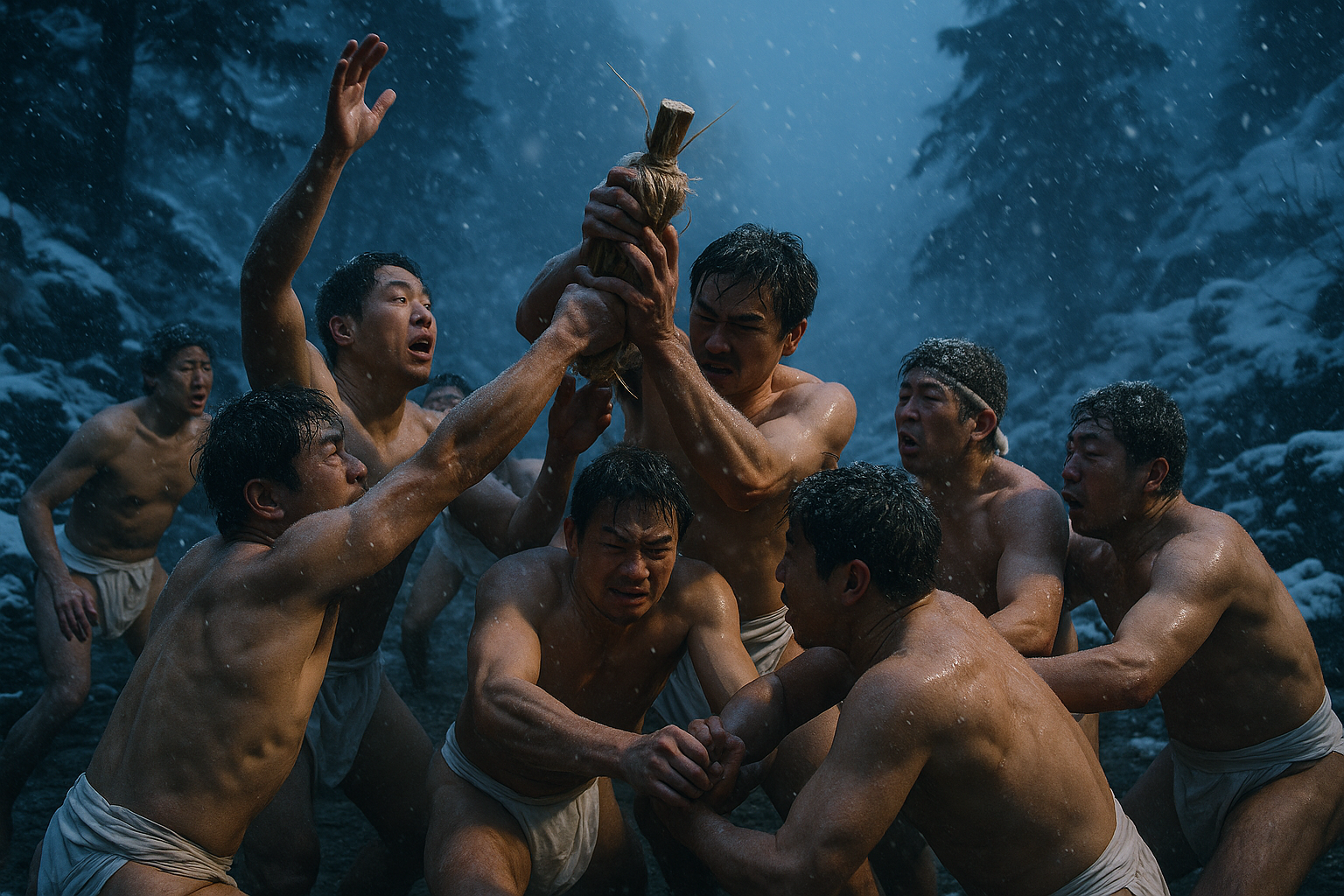
For those seeking an exhilarating and culturally intense experience, the Hadaka Matsuri, or “Naked Festival,” stands out among the “Obscure Holidays in Japan.” While the name suggests complete nudity, participants typically wear only a fundoshi (traditional Japanese loincloth) and a hachimaki (headband). These festivals are held in various locations across Japan, often in the depths of winter, with the most famous being the Saidaiji Eyo Hadaka Matsuri in Okayama Prefecture, held on the third Saturday of February.
Why Participants Wear Only Fundoshi in the Cold
The choice to wear minimal clothing, often in freezing temperatures, is a central element of these purification rituals. It symbolizes a stripping away of worldly attachments and a willingness to endure hardship for spiritual purity and divine blessings. The cold is seen as a test of endurance and faith, believed to cleanse the body and soul. The communal suffering strengthens bonds and collective spiritual purpose.
Fighting for the Shingi: A Test of Fortune
The climax of many Hadaka Matsuri involves a frantic scramble for sacred objects, typically wooden sticks called shingi or shinbo.
- The Ritual: After purification rituals (often involving dousing themselves with cold water), thousands of men, clad only in their fundoshi, converge in the shrine grounds. At a designated moment, the shingi are thrown into the crowd from a high window or platform.
- The Scramble: What follows is an intense, often chaotic, struggle as participants jostle and pile on top of each other, attempting to seize one of the few shingi.
- Symbol of Luck: The person who manages to obtain a shingi is believed to be blessed with a year of good fortune, health, and prosperity. It’s a symbolic battle for divine favor, embodying raw human desire for luck and success.
The Hadaka Matsuri is a visceral and unforgettable experience, showcasing a profound aspect of Japanese spirituality where physical endurance and communal struggle are seen as pathways to purification and good fortune. It’s an “Obscure Holiday in Japan” that vividly demonstrates the enduring power of ancient beliefs.
Hana Matsuri — Ritual Dance for Mountain Deities
Deep within the mountains of Aichi and Gifu Prefectures, particularly in the secluded Okumikawa region, lies the centuries-old tradition of Hana Matsuri, or “Flower Festival.” This isn’t the flower viewing of cherry blossoms; it’s a profound, all-night ritual dance festival dedicated to mountain deities, making it one of the most intriguing “Obscure Holidays in Japan.”
Buddhism Meets Local Animism in Gifu
Hana Matsuri is a fascinating synthesis of Shinto animism (the belief that spirits inhabit natural objects) and Buddhist esoteric practices. While the name “Flower Festival” might suggest gentleness, these are intense, powerful ceremonies. The festival aims to invite various deities (kami) from the mountains, including those associated with fire, water, and forests, into the village to bless the community, ensure a good harvest, and protect against disasters.
The dances often incorporate elements of shamanism, featuring mask-wearing dancers who embody the spirits, performing energetic and sometimes wild movements. The term “hana” (flower) in this context is believed to refer to the offering of newly harvested crops or to the idea of a blooming, prosperous future.
All-Night Festivities with Landslide Prevention Origins
The Hana Matsuri typically takes place from autumn through late winter, often extending from dusk until dawn. The rituals are performed within a special sacred space called a maido, a temporary stage built for the occasion.
- Continuous Dances: Dozens of dances (oni-mai, shishimai, etc.) are performed throughout the night, often accompanied by traditional music played on flutes and drums. These dances are highly stylized and can be quite physically demanding.
- Fire & Water Rituals: Fire is often used for purification, and water plays a role in inviting rain for good harvests or symbolizing cleansing.
- Landslide Prevention: A significant aspect of Hana Matsuri, particularly in mountainous regions, is its connection to prayers for disaster prevention, especially against landslides, which are a recurring threat. The dances are believed to appease the mountain spirits and ensure the stability of the land.
This festival offers a rare window into the deep spiritual connection between rural Japanese communities and their natural environment, showcasing how ancient beliefs continue to thrive as integral parts of their cultural identity.
Kurosawa Fire Festival — A Tribute to Water
Contradictory as it may sound, some of the most spectacular “Obscure Holidays in Japan” involving fire are actually tributes to water. The Kurosawa Fire Festival in Iwate Prefecture is one such event, held annually in mid-August. This festival uniquely blends the destructive and purifying power of fire with a profound reverence for water, essential for both life and agriculture.
Balancing Opposites in Japanese Ritual Practice
Japanese ritual practice often seeks to balance opposing forces, and the Kurosawa Fire Festival exemplifies this beautifully. While fire is used for purification and to ward off evil, the festival’s deeper meaning is rooted in honoring the water deities and ensuring the community’s access to clean water and protection from floods or droughts. This duality reflects a deep understanding of nature’s power and humanity’s dependence on its elements. The festival acts as a prayer for harmonious coexistence with these fundamental forces.
Boat Processions and Strategic Torch Displays
The Kurosawa Fire Festival is celebrated on a river, making it visually distinct.
- Boat Processions: The highlight involves a procession of traditional boats (often adorned with lanterns and festive decorations) floating down the Kurosawa River. These boats carry sacred items and sometimes effigies.
- Strategic Torch Displays: Along the riverbanks, large bonfires are lit, and smaller torches are carried by participants. These fires illuminate the river, creating a stunning visual spectacle. The fire is meant to purify the river, symbolically cleansing the community’s water source and inviting the blessings of the water deities.
- Prayers for Harvest & Safety: The festival includes prayers for a good harvest (reliant on sufficient water) and for safety from water-related disasters.
This unique blending of fire and water rituals highlights the rich complexity and nuanced spiritual beliefs embedded within Japan’s “Obscure Holidays in Japan,” offering a powerful cultural experience for observers.
Kasedori — The Straw-Bird Men of Yamagata
In the snowy plains of Kaminoyama City, Yamagata Prefecture, a truly distinctive “Obscure Holiday in Japan” unfolds each February 11th: Kasedori. This ancient ritual involves men dressed in elaborate straw costumes resembling birds, who parade through the town, bringing good fortune and warding off misfortune.
Protective Costumes and Fire Prevention Superstitions
The Kasedori men wear enormous, intricately woven straw costumes that cover their entire bodies, with eyeholes allowing them to see. These costumes are not merely decorative; they are deeply symbolic.
- Straw Symbolism: Straw (wara) has long been associated with fertility, purity, and protection in Japanese culture. It’s a common material for sacred ropes (shimenawa) and effigies.
- Fire Prevention: The primary purpose of Kasedori is to pray for fire prevention and a prosperous harvest. It is believed that by dousing the straw-clad Kasedori men with water during their procession, they transfer the water’s protective qualities to the town, safeguarding it from blazes. Spectators eagerly throw buckets of water on them, especially in the cold winter air!
- Good Fortune: Beyond fire prevention, the Kasedori are seen as bringers of good luck and prosperity for the coming year, particularly for newly built homes or businesses.
Local Customs that Revive Agricultural Traditions
Kasedori is also a poignant reminder of Japan’s agricultural roots. The use of straw directly connects the festival to the rice harvest, symbolizing the bounty of the land and the cyclical nature of life. The festival keeps alive traditional craftsmanship (in weaving the elaborate costumes) and reinforces community bonds, as residents gather to witness and participate in this unique ritual. It’s a testament to how “Obscure Holidays in Japan” continue to revive and celebrate the deep connection between rural communities and their land.
Boze Festival — Mysterious Guardians on Akuseki Island
For an exceptionally remote and profoundly mysterious “Obscure Holiday in Japan,” one must journey to Akuseki Island, a tiny, volcanic outpost in the Tokara Islands chain, Kagoshima Prefecture. Here, the Boze Festival unfolds annually, typically on the second Friday of August, featuring enigmatic masked figures known as Boze who emerge from the sea.
Rare Rituals Protecting Children from Misfortune
The Boze Festival is a rare and ancient ritual, largely unknown even within Japan due to the island’s isolation. The Boze are towering figures, often painted with red and white stripes, wearing a distinctive, long-nosed mask (tengu-like) and carrying a large, club-like stick adorned with foliage. They appear from the beach, silently processing through the village, their presence both awe-inspiring and slightly unsettling.
- Guardian Spirits: The Boze are believed to be benevolent guardian spirits who visit the island to ward off misfortune, purify the community, and bestow blessings, particularly on children.
- Children’s Ritual: A central part of the festival involves the Boze gently (or sometimes playfully) striking children with their leafy clubs. This act is not meant to be harmful but is believed to transfer the Boze‘s protective power, ensuring the children’s health, growth, and protection from evil spirits for the coming year.
Remote Island Culture Few Get to See
Akuseki Island itself is a designated UNESCO World Heritage Site due to its unique ecosystem and rich traditional culture. The Boze Festival is a crucial expression of this distinct island heritage.
- Isolation and Preservation: The island’s remote location has helped preserve this festival in an almost pristine state, untouched by mass tourism or modern influences.
- Community Effort: The entire small community participates in the festival, from crafting the Boze costumes to preparing traditional foods and welcoming the spirits.
- Authenticity: Witnessing the Boze Festival offers an unparalleled opportunity to experience an authentic, living cultural tradition that few outsiders ever see, providing a profound glimpse into the spiritual life of Japan’s remote islands.
Somin-sai — Midnight Winter Purification
Among the most rigorous and physically demanding “Obscure Holidays in Japan” is the Somin-sai, or “Somin Festival,” held annually in the dead of winter (typically early February) at Kokuseki-ji Temple in Ōshū City, Iwate Prefecture. This ancient Buddhist purification rite is renowned for its intense, all-night endurance rituals performed in freezing conditions.
Extreme Devotion in Harsh Snowy Conditions
Somin-sai is an extreme test of faith and physical endurance, dating back over 1,000 years. The festival participants, all men, wear only minimal clothing (often just a fundoshi), braving sub-zero temperatures and often heavy snowfall. The central aim is to purify body and soul, pray for a bountiful harvest, health, and ward off evil spirits for the coming year.
- Water Purification (Suigyo): The rituals begin with men plunging into icy river waters, chanting and splashing to purify themselves.
- Fire Purification (Hiwatari): Participants walk barefoot over smoldering embers, a powerful act of faith and purification.
- “Somin-Fuku” Scramble: The climax of the festival is a chaotic, all-night scramble for a small, sacred hemp bag called a “Somin-Fuku.” This bag is believed to contain good luck and protective charms. Thousands of men jostle and wrestle in the darkness, often in a muddy, snowy temple compound, to get their hands on a piece of the bag, which they take home for good fortune.
Purity and Endurance as Religious Virtues
Somin-sai is a powerful embodiment of purity (kegare removal) and endurance (gaman) as central religious virtues. The physical hardship is seen as a way to cleanse the spirit, demonstrate devotion, and earn divine favor. The collective struggle fosters a deep sense of camaraderie and shared spiritual purpose among the participants.
This festival, with its raw intensity and profound spiritual meaning, offers a compelling insight into the extreme forms of devotion that exist within Japan’s diverse religious landscape. It is truly one of the most remarkable and challenging “Obscure Holidays in Japan” to witness.
Akiu No Taue Odori — Rice Planting Dance as Performance
Stepping away from the dramatic fire and water rituals, Akiu No Taue Odori, the “Rice Planting Dance of Akiu,” offers a graceful yet powerful glimpse into Japan’s agricultural heritage. This performance, held in the Akiu district of Sendai City, Miyagi Prefecture, is not just a dance; it’s a sacred ritual performed to bless rice fields and ensure a bountiful harvest, making it a culturally significant “Obscure Holiday in Japan.”
Blessing Farms with Theatrical Precision
The Akiu No Taue Odori is an ancient folk performance that simulates the entire rice planting process, from preparing the fields to transplanting seedlings. It’s a highly stylized and precise theatrical dance, traditionally performed in spring (around May/June) to invoke the deities of the harvest.
- Role-Playing: Dancers take on different roles: farmers, field-workers, priests, and even comedic characters to entertain.
- Music and Movement: The dances are accompanied by traditional music played on flutes, drums, and gongs, with rhythmic movements that mimic the actions of rice planting.
- Costumes: Elaborate costumes, often featuring brightly colored kimonos and distinctive hats, add to the visual splendor.
- Prayers for Fertility: Every movement, every note, and every gesture in the dance is imbued with prayers for the fertility of the land, abundant crops, and the prosperity of the community.
UNESCO Recognition for Rural Tradition
The Akiu No Taue Odori’s significance has not gone unnoticed. In 2009, it was officially inscribed on UNESCO’s Representative List of the Intangible Cultural Heritage of Humanity.
- Cultural Preservation: This recognition highlights its importance as a living tradition that preserves rural customs, music, and dance forms.
- Community Identity: For the people of Akiu, the Taue Odori is a vital part of their identity, passed down through generations. It serves as a reminder of their connection to the land and the importance of agricultural cycles.
- Artistic Merit: Beyond its ritualistic function, the dance is celebrated for its artistic beauty and intricate choreography, offering a unique blend of spiritual devotion and theatrical performance.
Akiu No Taue Odori is a beautiful example of how an “Obscure Holiday in Japan” can gain international recognition for its cultural depth and enduring relevance.
Unusual Food Festivals of Japan
Beyond the parades and spiritual rites, many “Obscure Holidays in Japan” center around food, transforming culinary traditions into festive celebrations with deep cultural and spiritual significance. These unusual food festivals offer a delicious way to experience local culture.
Fish, Rice, and Fermented Delicacies with Spiritual Meaning
Japanese cuisine is globally celebrated, but many regional food festivals focus on hyper-local specialties, often with a spiritual dimension.
- Narezushi Festivals: In Shiga Prefecture, for example, communities might celebrate the ancient art of narezushi (a pungent, fermented sushi that is the precursor to modern sushi). Festivals might involve communal preparation, sharing, and offerings of this unique delicacy, seen as a symbol of preservation and tradition.
- Fish and Harvest Festivals: Coastal towns often have specific festivals dedicated to their local catch, like a festival honoring a particular type of sardine or squid, with prayers for a bountiful fishing season. These often include communal feasting and elaborate fish preparation demonstrations.
- Seasonal Vegetable Festivals: In agricultural areas, festivals might celebrate the harvest of a specific vegetable or fruit, such as a mushroom festival in the autumn or a radish festival in winter, where giant radishes might be paraded or offered to deities.
- Sake Brewing Festivals: Many regions with famous sake breweries host festivals celebrating the new brew (shinshu), complete with tastings, blessings for good sake, and traditional performances, linking the art of brewing to the local spiritual landscape.
Where to Taste Culture Through Local Dishes
For foodies, seeking out these festivals is a culinary adventure. They offer a chance to:
- Taste Authentic Local Flavors: Experience dishes prepared according to traditional methods, using ingredients specific to the region.
- Understand Culinary History: Learn about the history and significance of certain foods within the local culture.
- Engage with Local Communities: Share meals with locals, a truly intimate way to connect and understand their way of life.
- Discover Hidden Gems: Many of these food festivals are seasonal and ephemeral, providing a unique snapshot of Japan’s diverse gastronomic landscape.
Exploring these culinary “Obscure Holidays in Japan” is a delightful way to satisfy both appetite and cultural curiosity.
Understanding Shrine Etiquette at Lesser-Known Celebrations
When venturing to experience “Obscure Holidays in Japan,” especially those held at Shinto shrines or Buddhist temples, understanding and respecting local etiquette is paramount. These are not just tourist attractions; they are sacred spaces and living traditions.
Respecting Ritual Space and Participants
- Dress Modestly: While some festivals involve participants in minimal attire, as an observer, it’s best to dress respectfully. This generally means modest clothing, avoiding overly revealing outfits.
- No Entry Zones: Be aware of “no entry” signs or ropes (shimenawa) indicating sacred areas. Do not cross them.
- Photography: Always ask permission before taking photos, especially of participants, priests, or sacred objects. In some areas, photography might be prohibited during certain rituals. Observe the behavior of locals; if no one else is taking photos, it’s best not to either.
- Silence During Rituals: During prayers, dances, or other sacred rites, maintain respectful silence. Avoid loud conversations or disruptive behavior.
- Offerings (Saisen): If you wish to make an offering at a shrine, approach the saisen-bako (offering box), gently toss in a coin (typically 5 yen for good luck), bow twice, clap twice, make a wish or prayer, and bow once more.
- Wash Hands and Mouth (Temizuya): At most Shinto shrines, you’ll find a temizuya (water basin) for purification. Use the ladle to rinse your left hand, then your right hand, pour water into your cupped left hand to rinse your mouth (spitting it out discreetly, not back into the basin), and finally, rinse the ladle handle before returning it.
When to Observe vs. Participate
- Observe First: It’s generally best to observe silently from a distance, especially for your first time. This allows you to understand the flow and energy of the festival without inadvertently disrupting it.
- Invited Participation: Some festivals welcome participation, especially in less formal aspects like communal dancing, cheering, or food sharing. If you are directly invited to join by a local, do so respectfully and follow their lead.
- Respect Boundaries: Never force your way into a procession or sacred circle. The participants are engaged in a ritual, and their focus should not be disturbed.
- Learn a Few Phrases: Knowing simple Japanese phrases like “Sumimasen” (Excuse me/Sorry) and “Arigato gozaimasu” (Thank you very much) can go a long way in showing respect and building rapport.
By being mindful and respectful, you can enhance your experience and ensure that these precious “Obscure Holidays in Japan” remain vibrant and authentic for generations to come.
Where to Find These Hidden Festivals
Discovering “Obscure Holidays in Japan” requires a blend of adventurous spirit, careful planning, and a willingness to explore beyond the typical tourist routes. These aren’t usually found in glossy travel brochures, which makes the discovery all the more rewarding.
Best Regions for Cultural Explorers
While these festivals can pop up anywhere, certain regions are particularly rich in local traditions:
- Tohoku Region (Northern Honshu): Known for its harsh winters and deep folklore, Tohoku (Akita, Iwate, Yamagata, Fukushima) is a treasure trove of intense winter festivals, demon-visiting rituals (like Namahage), and ancient agricultural rites.
- Chubu Region (Central Honshu): Prefectures like Gifu and Aichi, particularly their mountainous areas, are home to unique and ancient Shinto-Buddhist blended festivals like Hana Matsuri. Ishikawa and Toyama also have rich traditional performing arts festivals.
- Kyushu Region: Fukuoka, Miyazaki, and Kagoshima Prefectures in Kyushu boast powerful fire festivals (like Oniyo), distinct island rituals (like Boze), and unique local variations of common celebrations.
- Shikoku Region: This island is known for its pilgrimage routes and strong regional identities, leading to many localized festivals tied to ancient legends and specific shrines.
- Rural Areas in General: Beyond specific regions, focus on smaller towns and villages, especially those nestled in mountains, along rivers, or on remote islands. These areas are often the custodians of the most obscure and untouched traditions.
Timing and Travel Planning Tips
- Japanese Language Resources: The best resources are often in Japanese. Look for local tourism websites (using Google Translate if needed), community bulletins, or blogs by Japanese cultural enthusiasts. Japanese Wikipedia pages for specific prefectures often list local events.
- Regional Tourist Offices: Once you’ve identified a region of interest, contact its local tourism office. They are often incredibly helpful in providing dates and details, even if their English resources are limited.
- Specific Dates: Unlike national holidays, the dates of many obscure festivals can vary slightly each year, often tied to lunar calendars or specific auspicious days. Always double-check the exact dates for 2025 well in advance.
- Accommodation: In smaller towns, accommodation options can be limited. Book well in advance, and be prepared for traditional ryokan (Japanese inns) or minshuku (guesthouses).
- Transportation: Reaching some remote festival locations might require local buses, rental cars, or even ferries. Research transportation meticulously.
- Be Flexible and Patient: Travel to remote areas in Japan can sometimes be unpredictable. Embrace the journey and be open to unexpected discoveries.
- Respectful Presence: Remember the etiquette guidelines. Your presence should be as an appreciative guest, not a demanding tourist.
By following these tips, travelers in 2025 can unlock a deeper, more authentic experience of Japan, moving beyond the well-known sights to discover its true cultural treasures.
How Obscure Festivals Support Local Japan
The “Obscure Holidays in Japan” are more than just cultural curiosities; they are vital arteries sustaining the heartbeat of local Japan. In an era of globalization and urbanization, these traditions play a crucial role in revitalizing rural communities and fostering sustainable tourism.
Revitalizing Rural Communities
Many of Japan’s rural areas face challenges such as aging populations and out-migration to cities. These festivals offer a powerful counter-narrative, breathing new life into these communities:
- Economic Impact: While not massive tourist draws, these festivals bring a modest but significant economic boost to local businesses, from inns and restaurants to craftspeople who create festival attire and decorations.
- Community Cohesion: The planning and execution of a festival require collective effort, fostering strong bonds among residents, both young and old. It’s a source of shared identity and pride.
- Youth Engagement: By involving younger generations in the rituals and preparations, festivals help prevent the loss of traditional knowledge and encourage young people to connect with their heritage, potentially drawing them back to their hometowns.
- Cultural Preservation: They are living museums, preserving ancient dances, music, crafts, and oral histories that might otherwise fade into obscurity.
Tourism That Protects Culture, Not Exploits It
When approached thoughtfully, tourism to these obscure festivals can be a force for good, supporting cultural preservation rather than eroding it:
- Sustainable Model: Unlike mass tourism, which can sometimes overwhelm local infrastructure and commodify culture, respectful visits to obscure festivals can provide a sustainable stream of appreciation and modest financial support without altering the festival’s core nature.
- Cultural Exchange: Interactions between local residents and respectful visitors can lead to meaningful cultural exchange, broadening perspectives on both sides.
- Awareness and Advocacy: When travelers share their authentic experiences, it can raise awareness of these traditions, potentially encouraging more support for their preservation from within Japan and internationally.
- Empowerment: The act of sharing their unique traditions with appreciative outsiders can empower local communities, reinforcing the value of their cultural heritage and their efforts to maintain it.
By seeking out and respecting these “Obscure Holidays in Japan,” travelers in 2025 can contribute to the vitality and longevity of Japan’s diverse cultural landscape, fostering a form of tourism that is deeply enriching for everyone involved.
Conclusion
Japan is a land of endless discovery, and while its most famous attractions hold undeniable charm, it is in the world of “Obscure Holidays in Japan” that its true magic often resides. From the boisterous laughter of Warai Matsuri to the fierce devotion of the Hadaka Matsuri, the mystical visit of the Boze, or the ancient purifying flames of Oniyo, these lesser-known celebrations offer a profound, unvarnished look into the soul of the nation. They are testaments to human resilience, spiritual depth, and the enduring power of community.
These festivals are not merely events to observe; they are living, breathing narratives of Japanese identity, shaped by centuries of folklore, agricultural rhythms, and deep-seated reverence for nature and the divine. For the adventurous cultural explorer in 2025, venturing into these hidden corners promises not just a trip, but a transformative journey – one that reveals the incredible diversity, beauty, and authenticity of Japan beyond its well-worn paths.
Encouraging Travelers to Discover Japan Beyond the Famous Festivals
As you plan your next Japanese adventure, consider diverting from the main tourist routes. Seek out the local schedules, consult regional tourism boards, and be open to the unexpected. Embrace the opportunity to witness a crying baby sumo match, engage with a ritual fire dance, or share a laugh with locals at a harvest celebration. By doing so, you won’t just be ticking off a list of sights; you’ll be connecting with the very heart of Japan, supporting its unique cultural tapestry, and creating memories that are truly your own. The “Obscure Holidays in Japan” await, ready to unveil a side of this extraordinary country that few ever get to see.